The first thing anyone ever told me about Spiti Valley was — 'This place breaks you.' I thought it was drama. Three days later, when the car tyre punctured at Kunzum Pass, I had altitude sickness headache, and the outside temperature was -3°C — I understood it was not drama. Spiti broke me — literally and figuratively both. And then it put me back together too.
Manali to Spiti — A Road That Is Really an Adventure
In June when Rohtang Pass opens, the Manali-Spiti route becomes accessible. But the word 'road' has to be used loosely here. Gravel tracks, river crossings, single-lane mountain paths — with a cliff on one side and a 300-foot drop on the other. I went by HRTC bus — the local government bus that is the lifeline of budget travellers. ₹350 from Manali to Kaza. But the nine hours spent on that bus were more memorable than any luxury SUV.
On the bus an elderly Spitian woman sat next to me. Without saying anything she took out apricots and gave them to me. The road was so bad I was bouncing around inside — she didn't change expression even once. This was her daily commute. My adventure, her routine. This perspective shift came on the very first day of the journey.
Kaza — The Heart of Spiti, Small but Deep
Kaza — Spiti's headquarters town — is a small settlement at 3800 metres. The guesthouses here are basic — blankets are heavy, rooms sometimes have no wifi, but the views are what no five-star hotel can offer. I stayed at Zostel Kaza — ₹500 per night. When I woke in the morning what I saw from the window was — barren brown mountains, blue sky, and a monastery touching that sky. Just that. And just that was enough.
Altitude acclimatisation is essential in Kaza — rest for the first two days, drink plenty of water, and avoid heavy activities. I ignored this — and on the third day altitude sickness caught me. Headache, nausea, breathlessness. A local doctor gave me diamox and sent me home. Spiti punishes you for hurrying.
Tenzin, manager at Zostel Kaza"Every year tourists come thinking — Spiti will be covered in two days. It won't. This valley gives you its time — but in return it demands your time. Those who rush get sick. Those who stay understand."
Key Monastery — Where Time Lost Its Speed
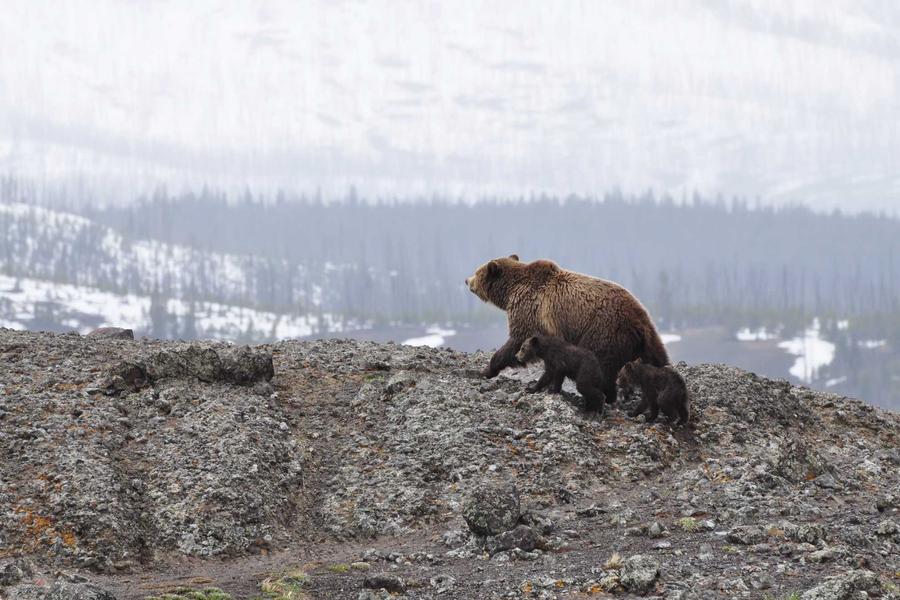
Key Monastery — at 4166 metres, more than a thousand years old — is Spiti's most iconic landmark. But its beauty doesn't get captured in photos. When you arrive there at the time of the morning prayer — the monks' chanting is audible, butter lamps are burning, outside the wind is so strong it is hard to think — and then a stillness comes that arrives not from quietness, but from intensity.
A young monk showed me the monastery. He told me — he had come here at the age of eight. His parents had sent him. At first he cried, he missed home. Now at twenty-two — 'This is home.' The stillness in his eyes was an antidote to urban anxiety. I wanted to bottle that stillness and take it away.
Chandratal Lake — A Trek Worth Every Breathless Moment
Chandratal — Moon Lake — at 4270 metres. Shared jeep from Kaza to Batal, then a 6 km trek. When I went in August the lake was surrounded by wildflowers. The lake's colour — a mix of turquoise, emerald and deep blue — looked less real than CGI film footage. Camping is allowed at this lake. That night — when the galaxy appeared, temperatures dropped below -10°C, and inside the sleeping bag I thought deeply about life — was a defining night.
There was a moment on the trek when altitude and exhaustion both attacked at once. I had to stop, had to sit. And then a fellow trekker — a 55-year-old retired army officer — said — 'Breathe. One step. That's it. Don't think about the lake — just this step.' That was the philosophy of the trek, and of life too.
Colonel Rajiv (retd.), fellow trekker"In the army they teach you this — when overwhelmed, don't look at the distance. Just look at the next step. That is also the truth of Chandratal. Also of Spiti Valley. Also of life."
Spiti's Food — Simplicity with Depth
Food in Spiti is limited — but what there is, is honest. Thukpa (noodle soup), Tsampa (roasted barley), butter tea which seems salty and weird the first time and becomes comfort food the second time. The meals I got in local kitchens — simple dal-rice made at 3800 metres — tasted better than any restaurant. Perhaps because hunger was its best seasoning.
Spiti in ₹18,000 — Budget Breakdown
For budget travellers: Delhi to Manali bus ₹700-1200. Manali-Kaza HRTC bus ₹350. Kaza guesthouse ₹400-700 per night. Local food ₹150-250 per meal. Chandratal trek plus camping ₹500-1500. Shared jeeps around Spiti ₹200-500 per leg. A total of ₹15,000-22,000 is possible in ten days. Spiti is not expensive — it doesn't demand your budget, it demands your patience and adaptability.
On the way back I took the Shimla route — through Kinnaur Valley. And when I reached the plains there was a strange grief. That sparseness, that silence, that harsh beauty — I was missing it. Spiti humbles you because nature there is so overwhelming that your problems, your ego — everything shrinks. And when ego shrinks, space is created — and what fills that space is your real self.