Earthquake Safety at Home and at Work: What to Do Before, During and After
Earthquakes give no warning, so the only real protection is preparation. Simple steps to make your home and office safer, what to do in the first seconds of shaking and how to act afterwards.
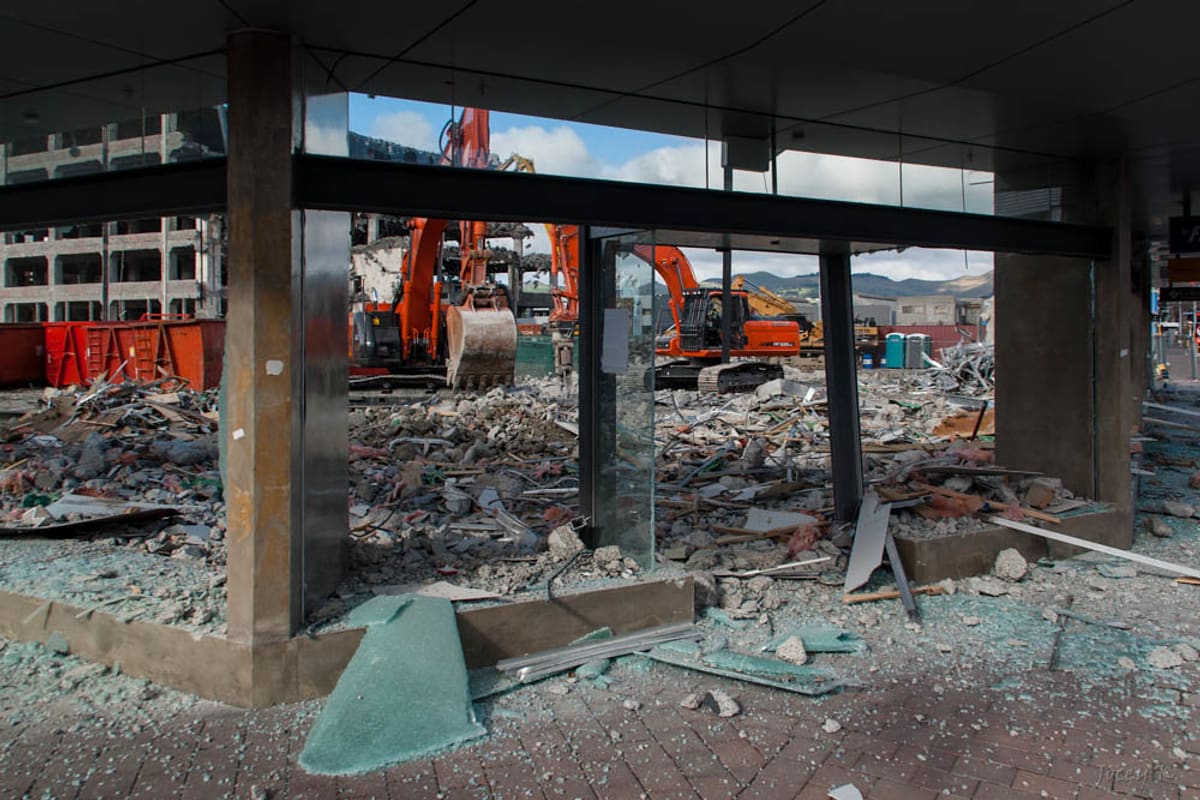
Lots of Broken Glass. Photo: Jocey K via Flickr, CC BY-SA 2.0.
Unlike a cyclone or a heatwave, an earthquake does not come with a forecast. The ground simply starts to move, and the most dangerous part is often over within a minute. What you do in those seconds depends almost entirely on what you learned and prepared beforehand.
A large part of India, from the Himalayan belt and the northeast to parts of Gujarat and the Andaman and Nicobar Islands, sits in areas where strong earthquakes can happen. Even in regions considered lower risk, tremors from distant quakes are sometimes felt in tall buildings. Knowing the basics is worthwhile wherever you live.
Why most injuries happen
In an earthquake, people are rarely hurt by the ground itself. Injuries mostly come from things that fall, break or collapse: shelves, cupboards, television sets, ceiling fans, glass, loose bricks and plaster. Many people are also hurt while trying to run out of a building during shaking, when it is hard to keep your balance and debris is falling near doorways and stairs.
That is why the safety advice focuses on two things: making fewer things able to fall on you, and protecting yourself where you are instead of running.
Prepare your home in an afternoon
A few practical changes reduce the risk considerably:
- Fix tall cupboards, bookshelves and almirahs to the wall with brackets or straps.
- Keep heavy items on low shelves and move them away from beds and sofas.
- Do not hang heavy mirrors, frames or clocks directly above where people sleep or sit.
- Use latches on kitchen cabinets so jars and utensils do not fly out.
- Know where your main electricity switch, water valve and gas cylinder regulator are, and how to turn them off.
- Identify a safe spot in each room, such as under a sturdy table or beside an inner wall away from windows.
If you are building or renovating, ask your architect or engineer whether the design follows the earthquake-resistant building codes issued by the Bureau of Indian Standards for your area. It is a small question that matters a great deal.
Keep an emergency bag ready
After a strong quake, power, water and phone networks may be disrupted for a while. A bag kept near the door should hold drinking water, some dry food, a torch with spare batteries, a basic first-aid kit, any regular medicines, a whistle, a phone charger or power bank, some cash, and copies of important documents in a waterproof pouch. Check it once or twice a year and replace anything expired.
During the shaking: drop, cover, hold on
The widely recommended response is three words long.
- Drop to your hands and knees so the shaking cannot knock you over.
- Cover your head and neck with your arms, and if possible crawl under a sturdy table or desk.
- Hold on to your shelter and move with it until the shaking stops.
If there is no table nearby, get down beside an interior wall, away from windows and anything that could fall, and protect your head. Stay where you are until the shaking stops. Do not run for the stairs or use the lift.
If you are in bed
Stay there, lie face down and cover your head with a pillow, unless something heavy is directly above you.
If you are outdoors
Move to an open area away from buildings, trees, electricity poles and wires, then drop and cover your head.
If you are driving
Slow down and stop in a clear place, away from bridges, flyovers, tall buildings and overhead wires. Stay inside the vehicle with your seatbelt on until the shaking stops.
At the workplace
Offices, shops and factories have their own risks: glass partitions, tall storage racks, heavy machinery and crowded exits. Find out whether your building has an evacuation plan and an assembly point, and take part in any drills. Keep the area under your desk free of boxes so you can actually get beneath it. If you manage a team, make sure someone is responsible for checking that everyone is accounted for after an evacuation.
In a high-rise, remember that upper floors can sway strongly. Stay away from windows, drop and cover, and wait for the shaking to end before moving calmly to the stairs.
After the shaking stops
Once the ground is still, move carefully. Check yourself and those around you for injuries and give basic first aid. Put on sturdy footwear before walking over broken glass.
- Leave the building by the stairs if it looks damaged, and go to an open area.
- Expect aftershocks, which can bring down weakened structures.
- If you smell gas, do not switch on lights or use a flame; open windows, turn off the cylinder and leave.
- Switch off the main power if you see damaged wiring.
- Use your phone for short calls or messages only, so networks stay free for emergencies.
- Follow updates from the district administration and the National Disaster Management Authority, and call 112 if someone needs urgent help.
Do not re-enter a building with visible cracks in pillars or beams until it has been checked by an engineer or the authorities.
Practise it once as a family
Knowing the steps is not the same as doing them in a frightening moment. Spend ten minutes one evening walking through your home together: point out the safe spot in each room, show everyone where the emergency bag is, agree on a meeting place outside and pick one relative in another city everyone will contact. Children in particular remember a drill far better than a lecture.