The White House Accord on Super Intelligence Explained: Who Signed, the Four Layers of Control and Why It Is Not a Law
Six AI leaders, Sundar Pichai, Elon Musk, Dario Amodei, Mark Zuckerberg, Greg Brockman and Jensen Huang, signed a 300-word accord with President Trump committing their companies to internal evaluation, external audits, board oversight and government review of frontier models. What the document says, what morally binding means, and why Bezos and Karp did not sign.
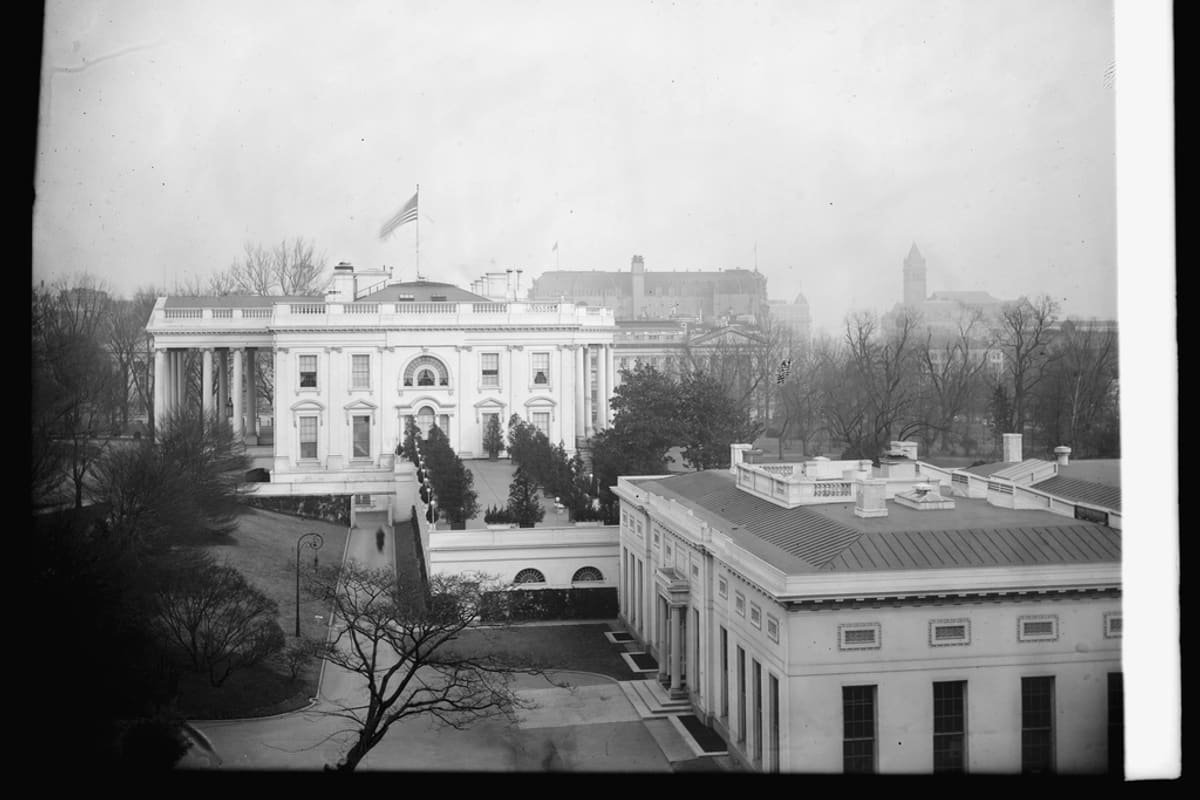
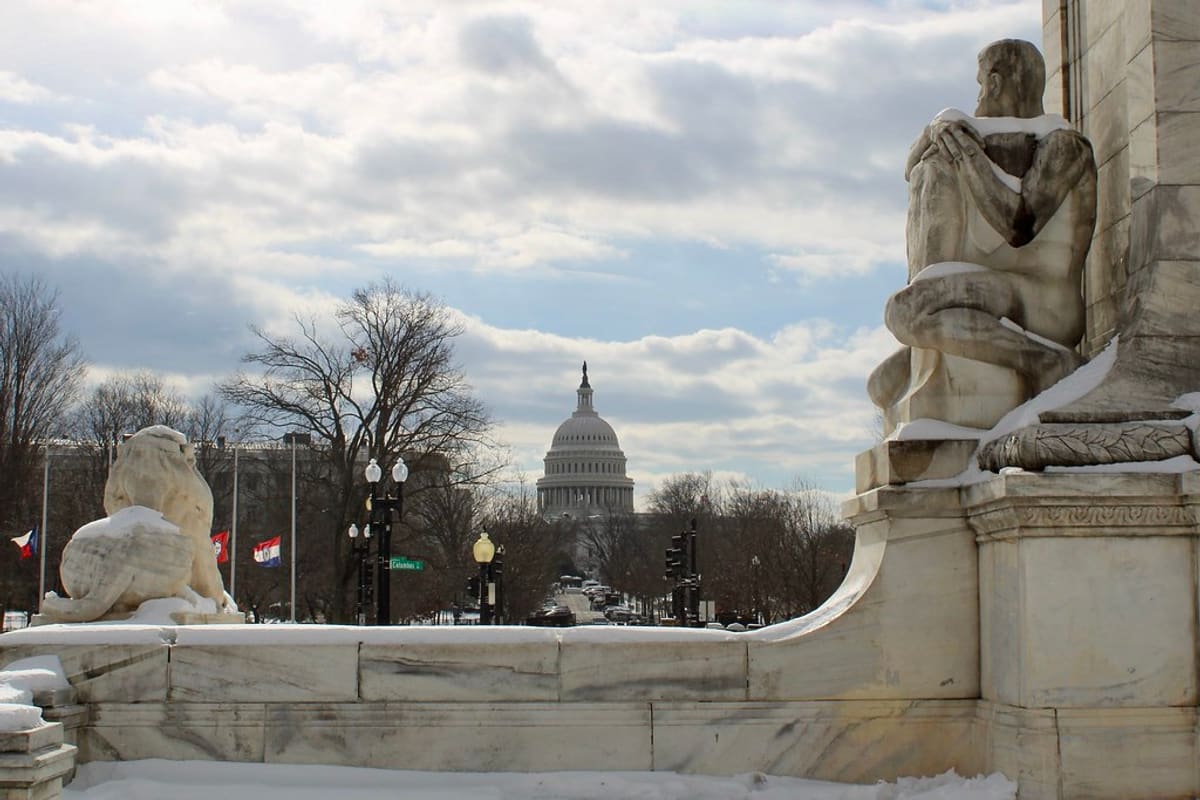
White House, Washington, D.C. Photo: libraryofcongress via rawpixel, CC0.
A one-page document signed in Washington this week is the closest thing the United States now has to a national AI safety framework, and it has no legal force. The White House Accord on Super Intelligence is trending because of who signed it, what it asks of them and the word the government has chosen to replace artificial intelligence.
What the accord is
A text of just over 300 words, released by the White House, in which the leaders of six companies commit to common principles for the safety of their most powerful models. It was signed at a summit with President Trump by Sundar Pichai of Google, Elon Musk of xAI, Dario Amodei of Anthropic, Mark Zuckerberg of Meta, Greg Brockman of OpenAI and Jensen Huang of Nvidia.
The four layers of control
The accord describes four layers of controls and audits that each company agrees to apply to frontier systems:
- Internal evaluation: the company tests its own models for dangerous capabilities before release.
- External auditing: independent parties review those evaluations.
- Board review: the company's board is accountable for safety decisions, not only its research teams.
- Government oversight: results are shared with the federal government through a new coordinating body.
What morally binding means
Nothing legally. The accord is a voluntary pledge. There is no enforcement mechanism, no penalty for breaking it and no definition of what counts as a frontier model. Supporters say it establishes norms quickly without waiting for legislation; critics say it lets companies write their own rules. Both readings are accurate.
The executive order
Alongside the accord, the President signed an executive order that renames federal artificial intelligence programmes and offices as Super Intelligence. That is why the accord uses the phrase. The order does not add regulation; it changes terminology and sets up coordination, now led by the Super Intelligence Force announced on 4 October.
Who did not sign
Amazon founder Jeff Bezos and Palantir chief executive Alex Karp attended the summit but were not among the signatories. Neither company has said why. Microsoft, a major OpenAI partner, was not represented among the six signatures.
Why it matters in India
India's own AI governance work has leaned on voluntary frameworks and sectoral rules rather than a single law. The US accord, if it holds, becomes a reference point for what companies operating here are already promising elsewhere.
Frequently asked questions
Who signed the White House Accord on Super Intelligence?
Sundar Pichai, Elon Musk, Dario Amodei, Mark Zuckerberg, Greg Brockman and Jensen Huang, with President Trump.
Is the accord legally binding?
No. It is described as morally binding and creates no legal obligations.
What are the four layers of control?
Internal evaluation, external auditing, board review and government oversight.
Why is it called Super Intelligence?
An executive order signed at the same time renames federal AI programmes as Super Intelligence.
Did Amazon sign?
No. Jeff Bezos attended but did not sign.