UPI Fraud: How to Protect Yourself from Online Payment Scams
UPI makes paying instant, and that also makes mistakes instant. Learn the common UPI fraud tricks, the rules that keep your money safe and what to do if you are cheated.
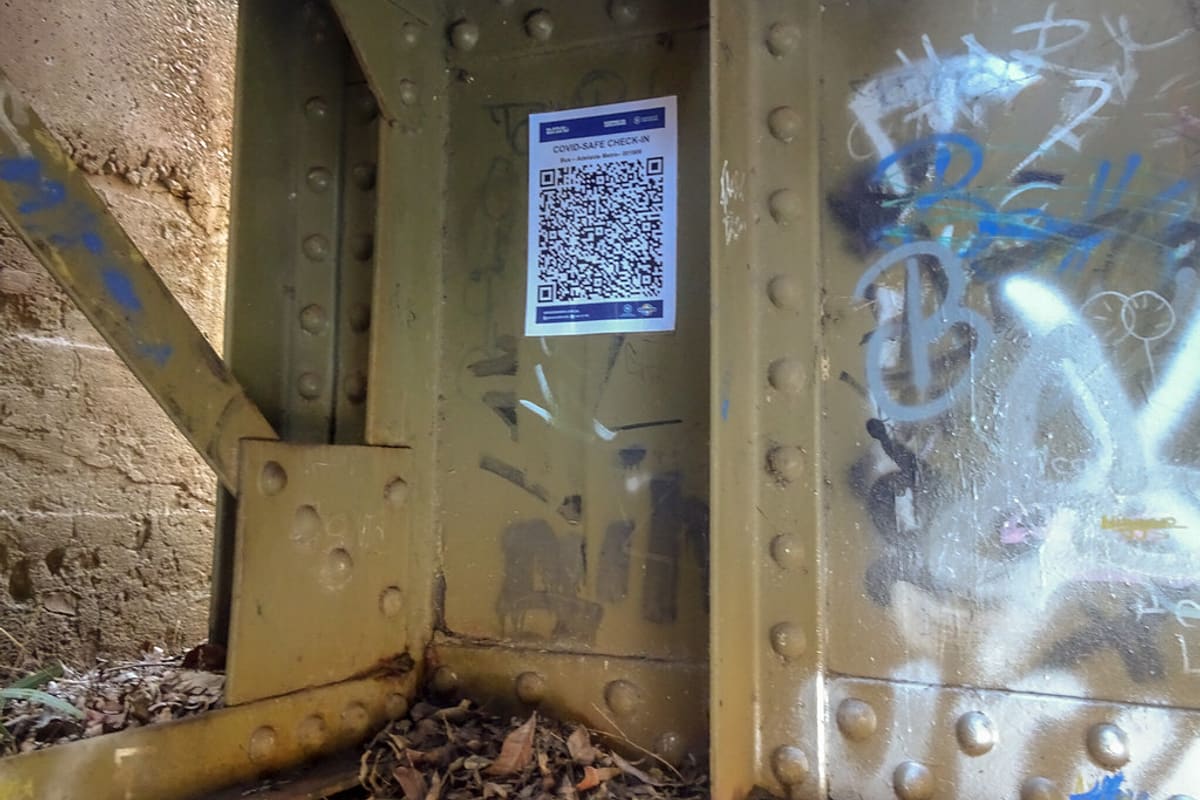
QR Code Under Bridge. Photo: mikecogh via Flickr, CC BY-SA 2.0.
UPI has made sending money as easy as sending a message. The same speed that makes it convenient also makes it attractive to fraudsters: once money leaves your account, it can move through several accounts within minutes. Most UPI fraud does not break any technology. It works by persuading you to do something yourself.
Once you know the common patterns, they become much easier to recognise.
Rule one: you never need a PIN to receive money
If you remember only one thing, make it this. Entering your UPI PIN always sends money out of your account. If someone says "enter your PIN to receive the refund" or "approve this request to get your prize", they are trying to take money, not give it.
Be careful with collect requests and QR codes
A collect request is a payment request someone sends to your UPI app. Scammers send requests with notes like "refund" or "cashback" so that you approve them without reading. Scanning a QR code works the same way: it is for paying, never for receiving.
- Read every request carefully before approving it, including the amount and the name.
- Decline any request you were not expecting.
- If a buyer on a selling website asks you to scan a code to "receive" payment, stop.
Watch out for the usual stories
Fraudsters rotate a handful of familiar scripts:
- "You sent money to my account by mistake, please return it", when no money actually arrived, only a fake SMS.
- A caller posing as bank or wallet staff who needs to "verify" or "unblock" your account.
- Customer-care numbers found through search results or social media that lead to fake agents.
- Offers of part-time jobs, such as liking videos or writing reviews, that pay small amounts at first and then ask you to "invest" more.
- Requests to install a screen-sharing or remote-access app to "fix" a problem.
Always check your bank balance or app transaction history directly rather than trusting an SMS or screenshot. Find customer-care numbers only in the official app or on the official website.
Protect your phone and your accounts
- Never share your UPI PIN, OTP, card CVV or passwords with anyone, including people who say they are from your bank.
- Set a screen lock and an app lock on your payment apps.
- Keep your phone's operating system and apps updated.
- Set a daily transaction limit in your app that matches what you really spend.
- Turn on SMS or app alerts for every transaction so you notice anything unusual.
What to do if you are cheated
Speed matters. The sooner you report, the better the chance of stopping the money.
- Call the National Cyber Crime Helpline on 1930 immediately.
- File a complaint on the official portal, cybercrime.gov.in, with screenshots and transaction IDs.
- Inform your bank through its official app, website or branch and ask them to block further transactions.
- Keep all messages and call records; do not delete the conversation.
Frequently asked questions
Can someone take money from my account with just my UPI ID?
Not on their own. A UPI ID lets people send you money or send you a request. Money only leaves your account when you approve a payment with your PIN, which is why fraudsters work so hard to make you do exactly that.
How do I report UPI fraud?
Call 1930, then register a complaint at cybercrime.gov.in and tell your bank. Reporting within the first hour gives the best chance of the money being frozen before it is withdrawn.
Will I get my money back after UPI fraud?
It depends on how quickly you report and whether the money can still be traced and held. Report immediately and follow up with your bank and the cyber crime complaint number you receive.
Keep this short list handy
The PIN is only for sending. Decline requests you were not expecting. Get helpline numbers only from official apps and websites. Keep your apps locked and updated. If something goes wrong, call 1930 without waiting. It is worth sharing this list with parents and grandparents, who are often the first people fraudsters call.