How to Read Your Electricity Bill and Bring It Down
Units, slabs, fixed charges, fuel surcharge: an electricity bill packs a lot into one page. Learn what each line means and the practical changes that actually lower the amount you pay.
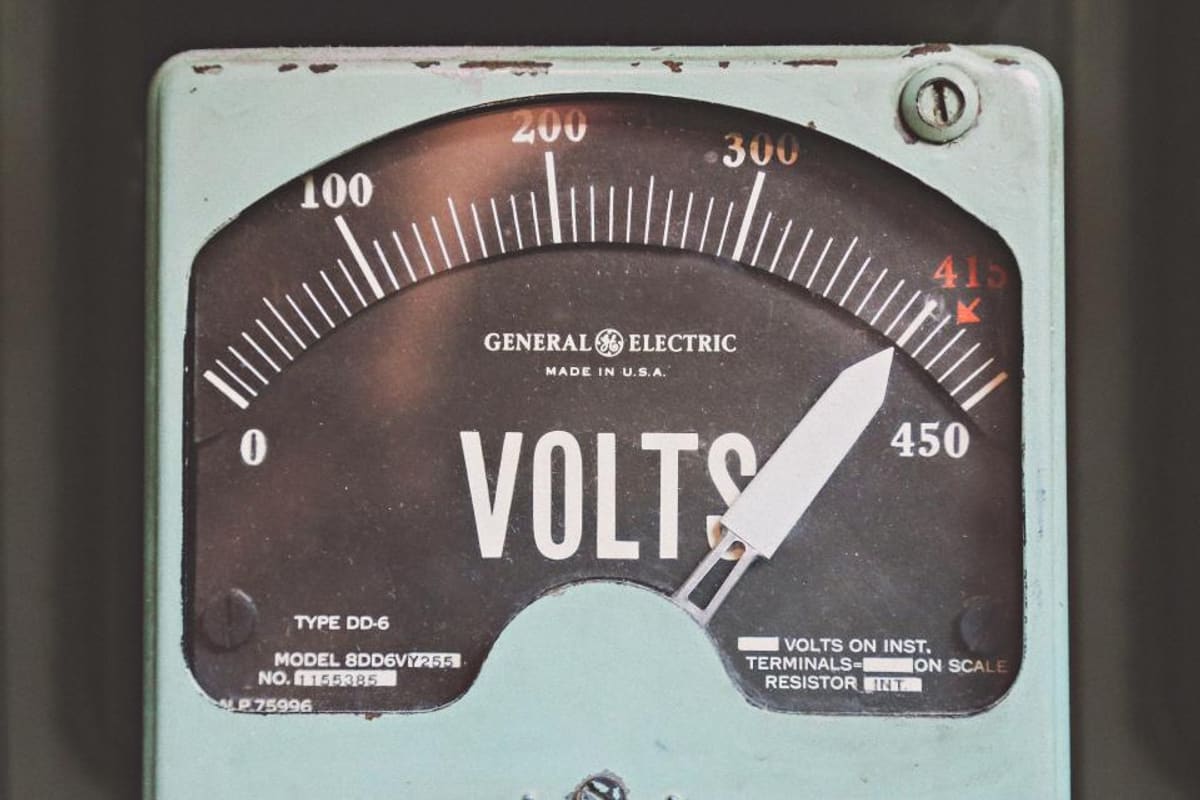
Electricity Meter. Photo: Thomas Kelley via stocksnap, CC0.
Summer is the season when electricity bills jump and families start arguing about who left the fan running. Before blaming anyone, it helps to actually read the bill. Most people glance at the amount due and the last date, and ignore everything in between. Yet the lines in the middle explain exactly why the number is what it is, and which of your habits cost the most.
Bill layouts differ between states and between electricity distribution companies, but almost all of them contain the same basic building blocks.
The details at the top
The top section identifies you and your connection. Check it once carefully, because mistakes here can quietly cost you money for years.
- Consumer number or account number: you need this for online payment, complaints and any change of name.
- Tariff category: domestic, commercial, agricultural and so on. A home wrongly billed under a commercial category pays a much higher rate.
- Sanctioned or connected load: the maximum load, in kilowatts, your connection is approved for.
- Meter number: it should match the number printed on the meter itself.
- Billing period: the dates the bill covers, usually one or two months.
Units: the heart of the bill
Electricity is measured in units, and one unit is one kilowatt-hour. A 1,000-watt appliance running for one hour uses one unit. A 100-watt appliance takes ten hours to use the same one unit.
The bill shows the previous meter reading, the current reading and the difference between them, which is your consumption for the period. If the bill says the reading was "estimated" or "average", nobody actually read the meter that month. Estimated bills are corrected later, so a very low bill can be followed by a surprisingly high one. If this happens often, photograph your meter reading on the billing date and raise it with the distribution company.
Why the rate changes as you use more
Most states charge domestic consumers in slabs. The first block of units is billed at a low rate, the next block at a higher rate, and so on. In many places this is telescopic, meaning every consumer pays the lower rate for the first block and only the units above it cost more. In some tariffs, crossing a threshold changes the rate for more of your consumption, which makes that boundary especially expensive.
This matters because the last few units you use each month are the costliest ones. Cutting consumption by a modest amount can move you back into a cheaper slab, and the saving is larger than the units alone suggest. Your distribution company's website or the tariff order of your state electricity regulatory commission lists the exact slabs.
The other charges on the page
- Fixed or demand charge: a monthly amount linked to your sanctioned load, payable even if you use nothing.
- Energy charge: the units multiplied by the slab rates.
- Fuel or power purchase adjustment: an extra per-unit amount that reflects changes in the cost of buying power. It can change from month to month.
- Electricity duty and other levies set by the state.
- Meter rent, arrears, late payment surcharge, or any subsidy and rebate applied.
If your connected load at home has grown, for example after adding two air conditioners, the distribution company may find your actual demand exceeds the sanctioned load. Some bill a penalty for this. Applying to increase the sanctioned load raises the fixed charge a little but keeps the connection safe and legal.
Where the units really go
In most Indian homes, a few appliances dominate the bill: air conditioners, water heaters (geysers), refrigerators, water pumps, and in some homes an electric iron or room heater. Lights, phone chargers and the Wi-Fi router barely register by comparison. So effort spent on the big appliances pays off far more than switching off a single bulb.
Changes that make a real difference
- Set the air conditioner to around 24 degrees rather than 18. The room cools a little slower but the compressor works far less, and a ceiling fan on low spreads the cool air.
- Clean AC filters every couple of weeks in peak summer. A clogged filter makes the unit run longer for the same comfort.
- Keep doors and windows shut while the AC runs, and draw curtains on sun-facing windows during the afternoon.
- Put the geyser on a timer or switch it off after use instead of leaving it heating all day.
- Keep the refrigerator away from the wall and out of direct sun, and do not open it repeatedly for long periods.
- Replace old tube lights and bulbs with LEDs. It is a small cost that pays back quickly.
- When buying a new appliance, compare the star label from the Bureau of Energy Efficiency. A higher star rating usually costs more upfront and less every month after.
- Check the water pump and tank for overflow. A float switch that fails can keep a pump running for hours.
Keep an eye on the numbers
Write down the units from each bill in a notebook or phone note. Comparing the same month across years tells you far more than comparing one month with the next, because seasons change usage so much. A sudden jump with no change in habits can point to a faulty appliance, an earth leakage in the wiring, or a meter problem.
If you suspect the meter is running fast, you can apply to the distribution company for a meter test. Keep copies of your complaint and the reference number. Most companies also have an app where you can view past bills, register complaints and sometimes see daily consumption if you have a smart meter.
Many households now look at rooftop solar as well. The central government and several states support residential rooftop solar with subsidies, and net metering lets you offset units you use with units you generate. It is a larger decision that depends on your roof, your usage and local rules, so read the official rooftop solar portal and speak to your distribution company before signing up with any installer.
A bill worth reading once a month
Spend five minutes with each bill: check the reading, the units, the slab you landed in and any unusual charge. That small habit turns the bill from a surprise into something you can plan around, and it often pays for itself the very first summer.