The SEC's Crypto Custody Proposal Explained: What the 760-Page Rule Would Let Advisers and Funds Do, and Why It Matters for ETFs
On 1 October the SEC proposed the first dedicated rules for how registered investment advisers and regulated funds may hold crypto, allowing state-chartered trust companies as custodians and, in limited cases, self-custody. A 60-day comment period is open. What changes from today, who benefits and why Indian investors in US crypto ETFs should care.
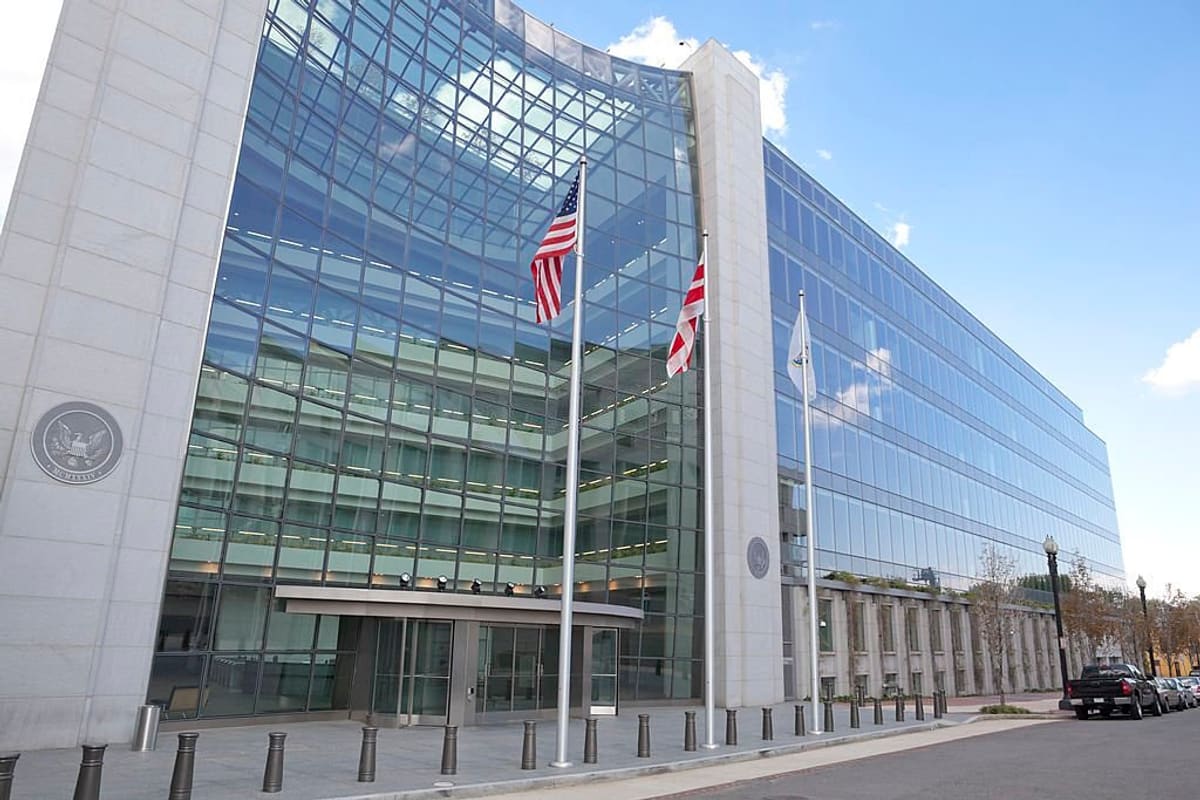
Securities and Exchange Commission. Photo: bettrichard873 via Flickr, Public domain.
The least glamorous document in crypto this week may be the most consequential. On 1 October the US Securities and Exchange Commission proposed a dedicated set of rules for how investment advisers and regulated funds can hold crypto assets. It runs to 760 pages, and the industry has 60 days to respond. Here is what it does in plain terms.
The problem it fixes
US rules on custody, who holds an investor's assets and how, were written for stocks and bonds held at banks and broker-dealers. Crypto never fit. Advisers and funds have had to rely on a short list of qualified custodians and on SEC staff guidance that changed with each administration. The uncertainty is one reason crypto ETFs took so long to be approved and why their custody is concentrated in a few firms.
What the proposal would allow
- State-chartered trust companies could serve as crypto custodians for advisers and funds. Many crypto custodians are structured as state trusts, so this brings them clearly inside the rules.
- Self-custody would be permitted in limited cases, with conditions on key management, controls and disclosure.
- Both the Investment Advisers Act of 1940 and the Investment Company Act of 1940 would be amended, so the framework covers advisers managing client money and the funds themselves.
Who it helps
ETF issuers get more custodian choice and clearer rules, which should lower costs and concentration risk. Advisers who have avoided crypto because of custody uncertainty get a defined path. Crypto custodians organised as state trusts get recognition. Investors get clearer disclosure about where their assets sit.
What it does not do
It does not classify tokens as securities or commodities, does not change tax treatment and does not apply to exchanges serving retail customers. It is about professional money managers, not your personal wallet.
Why it matters outside the US
Indian investors reach US spot crypto ETFs through international brokerages, so the custody behind those ETFs is their custody. Separately, Indian regulators watch SEC frameworks closely when drafting their own; SEBI has so far kept crypto out of regulated funds, and a settled US model would be a reference point.
Timeline
Comments are due about 60 days from publication, so early December. The SEC then revises and votes on a final rule, realistically in 2027.
Frequently asked questions
What did the SEC propose on crypto custody?
Dedicated rules letting investment advisers and regulated funds hold crypto through state-chartered trust companies and, in limited cases, through self-custody.
When was it proposed?
1 October 2026, with a 60-day comment period.
Does this affect retail crypto exchanges?
No. It covers professional advisers and funds.
Why does custody matter for crypto ETFs?
ETFs hold real coins through custodians; clearer rules widen the choice of custodian and reduce concentration risk.
When would the rule take effect?
After the comment period and a final vote, likely in 2027 at the earliest.