Indoor Plants for Beginners: Easy Low-Light Choices and the Watering Mistakes to Avoid
Want greenery but worried you will kill every plant? These forgiving, low-light indoor plants suit Indian homes, with simple care and the watering mistakes most beginners make.
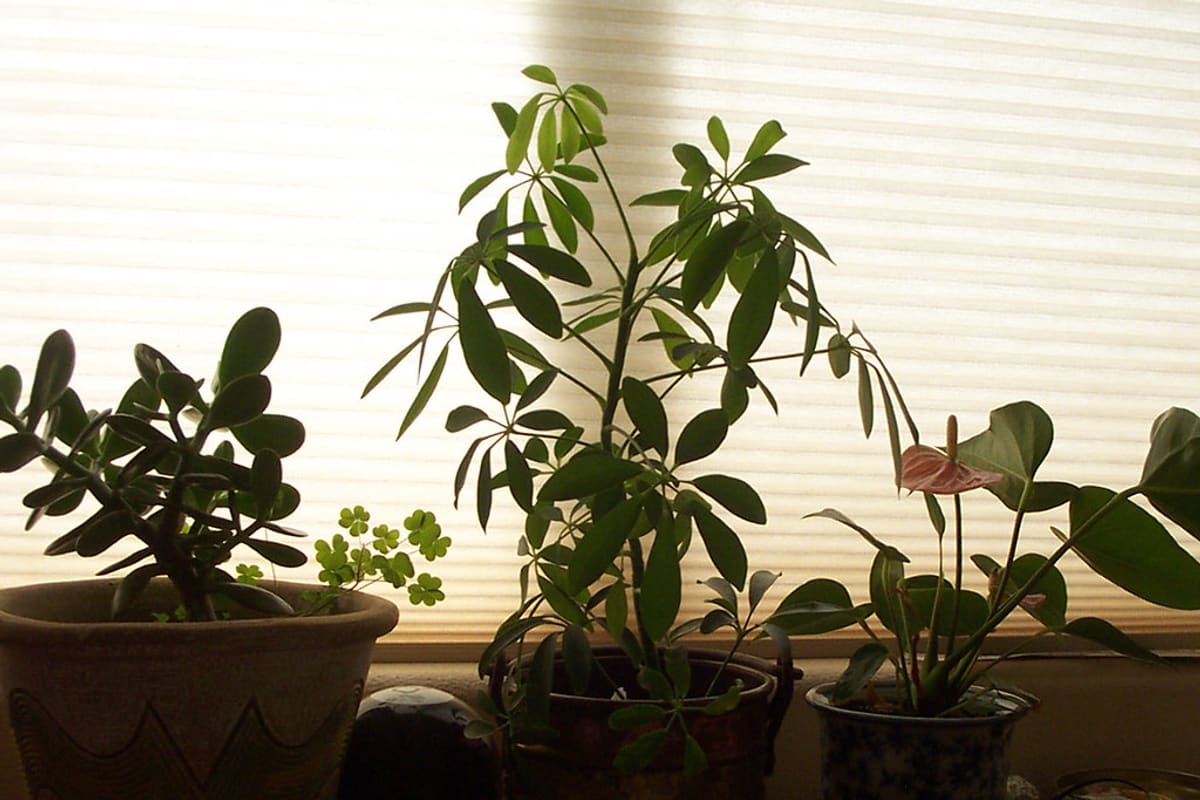
Three Plants. Photo: Orin Zebest via Flickr, CC BY 2.0.
Many people buy a plant, water it lovingly every day and watch it turn yellow within a month. If that sounds familiar, the problem was probably not a lack of care but too much of it. The easiest indoor plants actually prefer to be left alone a little, and choosing the right ones for your light makes all the difference.
First, look at your light
Before buying anything, spend a day noticing where light falls in your home. Plants do not need direct sun to grow indoors, but they all need some light.
- Bright indirect light: near a window that gets plenty of daylight, but where the sun does not hit the leaves directly for hours.
- Medium light: a few steps back from a bright window, or near a window facing a building or a covered balcony.
- Low light: a corner or hallway that is lit by daylight but far from any window.
No plant grows in a room with no daylight at all. If a room needs the lights on at noon, it is not a good spot for a living plant.
Forgiving plants to start with
These plants cope with lower light, tolerate a missed watering and are widely sold at local nurseries at modest prices.
Money plant (pothos)
Perhaps the most common indoor plant in India, and for good reason. It trails or climbs, grows in soil or even in a bottle of water, and droops a little when thirsty, which tells you exactly when to water. It does best in medium light but manages in low light, growing more slowly.
Snake plant
Stiff, upright leaves that store water, so it can go two to three weeks without watering in most seasons. It is one of the most tolerant plants for dim corners. Overwatering is the main way to lose it.
ZZ plant
Glossy leaves and thick underground stems that hold water. Like the snake plant, it prefers to dry out fully between waterings and handles low light well.
Peace lily
Dark green leaves and occasional white flowers. It likes its soil slightly moist and flops dramatically when it needs water, then recovers within hours. It prefers medium light to flower but survives in less.
Spider plant and Chinese evergreen
Spider plants are cheerful, fast-growing and produce baby plants you can pot up and give away. Chinese evergreen (aglaonema) comes in green, pink and red varieties and is happy in medium to low light.
One caution: several of these plants, including money plant, peace lily and ZZ plant, can upset the stomach or irritate the mouth if chewed. If you have a curious pet or a toddler, place them out of reach or ask your nursery about safer options.
Watering mistakes beginners make
Watering on a fixed daily schedule
This is the biggest cause of dead indoor plants. Roots need air as well as water. When soil stays wet all the time, roots rot, and the plant shows yellow leaves that look, confusingly, like it needs more water. Instead of watering by the calendar, check the soil.
- Push a finger about two knuckles deep into the soil.
- If it feels damp, wait. If it feels dry, water.
- For snake plants and ZZ plants, wait until the soil is dry nearly all the way down.
Pots with no drainage hole
A pretty ceramic pot with no hole at the bottom lets water collect around the roots. Keep the plant in a plastic nursery pot with holes and place that inside the decorative one, or choose pots with drainage. Empty the saucer if water sits in it for more than an hour.
Small sips instead of a proper drink
When you do water, water thoroughly until a little comes out of the bottom, then let the pot drain. A spoonful every day keeps the top wet and the lower roots dry.
Not adjusting for the season
Plants drink far more in hot, dry months and much less during the monsoon and winter. A plant that needed water every four days in May may need it every ten days in August. Keep checking the soil rather than assuming.
Simple care beyond water
- Wipe dust off leaves with a damp cloth once a month so they can use the light better.
- Turn pots a quarter turn every week or two so plants grow evenly instead of leaning towards the window.
- Feed with a diluted liquid fertiliser or a little compost during the growing months, not in winter.
- Repot only when roots are coming out of the drainage hole, and move up just one pot size.
- Pinch off yellow leaves; they will not turn green again.
Frequently asked questions
Why are my indoor plant's leaves turning yellow?
The most common reason is overwatering, especially if the soil is damp and the lower leaves yellow first. Too little light is the next most likely cause. An occasional old leaf yellowing is normal.
Do indoor plants need sunlight?
They need light, but most low-light plants do not want hours of direct sun, which can scorch their leaves. Bright indirect daylight suits most of them best.
Can I keep plants in the bathroom or bedroom?
Yes, if there is a window providing daylight. Bathrooms with windows suit humidity-loving plants such as peace lilies. A windowless bathroom is not suitable for long.
Start with one and learn from it
Buy one or two easy plants rather than ten, put them in the right light and check the soil before you reach for the water. Once you have kept a money plant happy through a full year of seasons, you will know enough to try almost anything.