Healthy Hair Care Tips: Daily Habits That Actually Help
From how often to wash your hair to heat styling and hair oiling, the everyday hair care habits that make the most difference to how your hair looks and feels.
Healthy-looking hair is mostly the result of consistent, gentle habits rather than expensive treatments. The suggestions below are general guidance. If you notice sudden hair loss, scalp pain or persistent itching, see a doctor or dermatologist, as these can have medical causes such as thyroid problems, low iron or stress.
Wash as often as your scalp needs
There is no single correct washing schedule. People with oily scalps, or who sweat a lot in summer or exercise daily, may prefer frequent washing, while those with dry or curly hair often wash less. Focus shampoo on the scalp, where oil builds up, and let the lather rinse through the lengths.
Condition the lengths
Conditioner is meant for the mid-lengths and ends, which are older and drier than the hair near your scalp. Apply it there, leave it for a couple of minutes and rinse well.
Be gentle when hair is wet
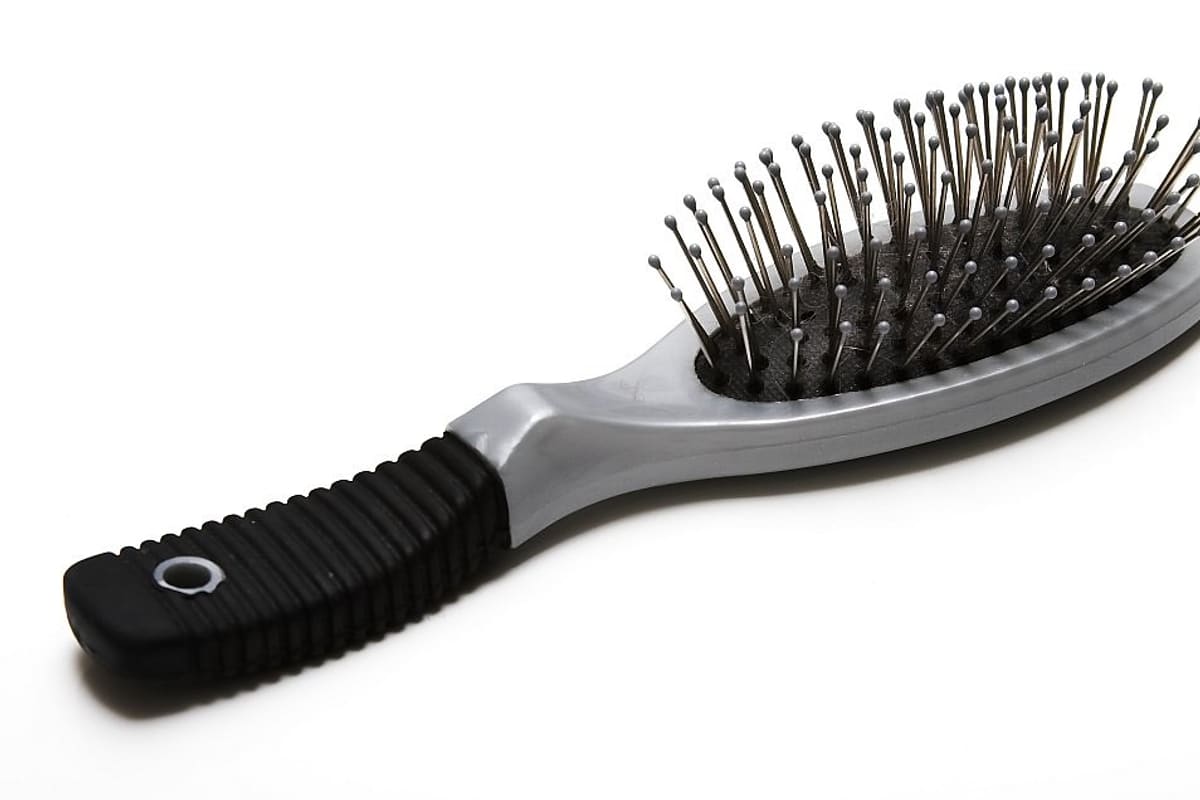
Wet hair is more fragile. Instead of rubbing it hard with a towel, squeeze out water gently or wrap it in a soft cotton T-shirt or microfibre towel. Detangle with a wide-tooth comb, starting from the ends and working upwards.
Limit heat and protect it
Straighteners, curling irons and very hot blow-dryers can dry hair out over time.
- Let hair air-dry partially before blow-drying.
- Use a medium heat setting rather than the highest.
- Apply a heat protectant spray before styling.
- Give your hair heat-free days each week.
Oiling: helpful when done right
Hair oiling is a long tradition in many Indian households, often with coconut, almond or sesame oil. Many people find a light oil on the lengths helps with dryness and frizz. Use a modest amount, massage the scalp gently rather than vigorously and wash it out thoroughly so it does not build up. If your scalp is prone to dandruff or irritation, oiling the scalp can make it worse; in that case, oil only the lengths.
Choose hair ties carefully
Tight ponytails and elastic bands with metal parts can cause breakage and strain at the hairline. Soft scrunchies, spiral ties or clips are gentler. Vary your hairstyle so the same area is not pulled every day.
Protect hair while you sleep
Tie long hair in a loose braid or bun before bed to reduce tangles. Many people find satin or silk pillowcases reduce friction and frizz.
Trim regularly
Split ends cannot be repaired, only cut off. A small trim every couple of months keeps ends tidy, even when you are growing your hair out.
Remember the basics
A balanced diet with enough protein, iron and other nutrients, enough sleep and managing stress all play a part in overall health, including your hair. Products help, but they work best alongside healthy daily habits.
Frequently asked questions
How often should I wash my hair?
As often as your scalp needs. For oily scalps that may be every day or every other day; for dry or curly hair, two or three times a week is often enough.
Should I leave oil in my hair overnight?
Some people like to, but an hour or two before washing works for most hair. If you have dandruff or an oily scalp, avoid leaving oil on the scalp for long periods.
How many hairs is it normal to lose a day?
Losing a few dozen to around a hundred hairs a day is commonly considered normal. If you notice clumps, bald patches or much more shedding than usual, see a doctor.
Small habits, visible results
Gentle washing, conditioner on the ends, careful handling when wet, less heat and regular trims make a visible difference within a few months. If hair loss or scalp problems worry you, a professional opinion is the best next step.