How to Reduce Single-Use Plastic at Home: Practical Swaps That Last
Cutting plastic does not mean throwing out everything you own. Realistic room-by-room swaps for Indian households that reduce single-use plastic without extra cost or effort.
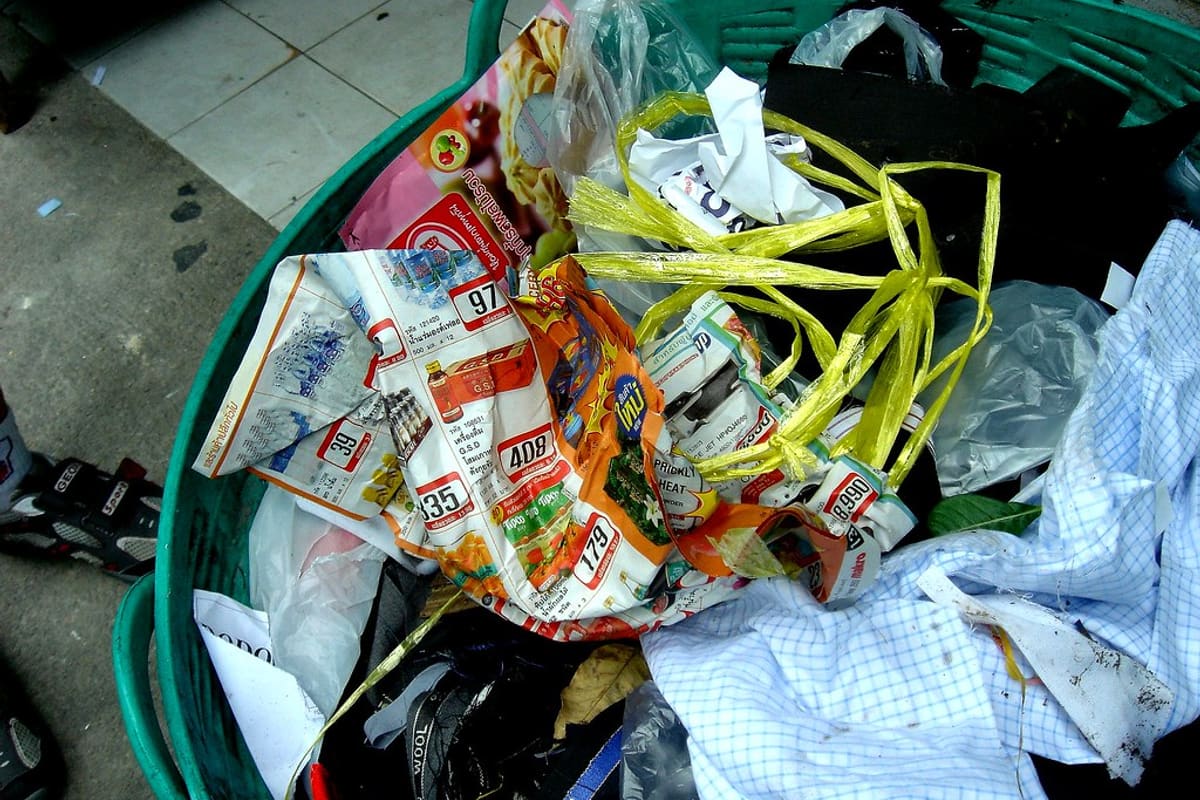
Am Trash or Treasure. Photo: nist6ss via Flickr, CC BY-SA 2.0.
Look inside your dustbin at the end of a day and a large part of what is there is probably plastic you used for a few minutes: a milk packet, the wrapper from a biscuit packet, a carry bag from the vegetable vendor, a delivery container. Few of us can remove all plastic from daily life, and there is no need to try. Cutting down on the single-use kind, the things that are used once and thrown away, is where small changes have the most effect.
A note before starting: do not throw out plastic containers and bottles you already own in order to buy steel or glass replacements. Using what you have until it wears out is the least wasteful option. Swap things as they need replacing.
Shopping: where most plastic enters the home
Carry your own bags
Keep a couple of foldable cloth bags in your handbag, backpack, two-wheeler seat or car. Most carry bags come from unplanned purchases, so having a bag with you all the time matters more than owning many. For vegetables, small cloth or mesh pouches keep items separate without thin plastic bags.
India has banned a number of single-use plastic items since 2022, and many cities also restrict thin carry bags, but plastic still turns up at many shops. Politely saying "no bag needed" before the shopkeeper reaches for one is the simplest habit of all.
Buy loose where you can
Local kirana shops, sabzi markets and weekly bazaars often sell grains, pulses, spices, fruit and vegetables loose. Bring your own containers or bags. Buying larger packs of things you use often, such as rice, atta and detergent, also means less packaging per kilo than many small packets.
Choose refills
Many shops and some local sellers offer refills for things like dishwashing liquid, detergent and cooking oil. Where refill packs exist, they usually use much less plastic than a new bottle each time.
In the kitchen
The kitchen produces the most plastic waste in most homes, and it also has the most room for easy swaps.
- Store dry goods in steel dabbas or glass jars you already have; old jam and pickle jars work well.
- Use a steel or glass container with a lid, or a plate over a bowl, instead of cling film.
- Wrap rotis in a cotton cloth, as many families traditionally do, rather than foil or plastic.
- Make curd at home instead of buying it in plastic cups.
- Replace plastic scrubbers, when they wear out, with coir or natural fibre scrubbers.
- Line the dustbin with newspaper or skip the liner and wash the bin more often.
Food on the go and deliveries
Ordering in and eating out generate a surprising amount of single-use plastic.
- Carry a steel water bottle and refill it rather than buying bottled water.
- Pack lunch in a steel tiffin; it keeps food warm longer and lasts for years.
- When ordering food, choose the option to skip cutlery, napkins and extra sauce sachets in the app.
- For takeaway from a nearby restaurant, bring your own containers where the staff are happy to use them.
- Say no to straws in drinks unless you really need one.
Bathroom and cleaning
- Bar soap and shampoo bars come with little or no plastic compared with liquid bottles.
- Bamboo or wooden toothbrushes are an option when your current brush needs replacing.
- Washable cloth dusters and old cotton T-shirts cut into rags replace disposable wipes.
- Concentrated cleaning products or refill packs reduce the number of bottles you buy.
Handling the plastic that remains
Some plastic will still come into your home, for example medicine strips, milk packets or packaging from online shopping. Handle it in a way that keeps it out of drains and open ground.
- Rinse milk packets and food packaging and let them dry. Clean plastic is much easier for waste collectors to recycle.
- Keep dry waste separate from wet kitchen waste. Many municipal bodies now require this, and it makes recycling possible.
- Give dry recyclables to the local waste collector or kabadiwala, who can often sell them on.
- Reuse sturdy bags and boxes from deliveries for storage or returns.
- Never burn plastic. The smoke is harmful to breathe.
Getting the household involved
Change lasts longer when everyone at home is part of it. Explain why rather than handing down rules. Children often enjoy being the ones who remind adults to carry the cloth bag. Start with one or two swaps that are easy for your family, let them become normal and add another every few weeks.
Frequently asked questions
What is single-use plastic?
It refers to plastic items designed to be used once and thrown away, such as thin carry bags, straws, disposable cutlery, sachets and many types of food packaging.
Is it expensive to reduce plastic at home?
Usually not. Most swaps, like carrying a cloth bag, refilling a steel bottle or buying loose groceries, save money over time. The key is to replace things gradually as they wear out, rather than buying everything new at once.
Are compostable or biodegradable bags a good alternative?
Some can help, but many need specific industrial composting conditions to break down and behave like ordinary plastic in a landfill. Reusable bags are still the better choice.
Progress, not perfection
No household becomes plastic-free overnight, and it is not a test you can fail. Carry a bag, refill a bottle, pack a tiffin and sort what is left. Each small swap, repeated day after day, keeps a surprising amount out of the bin.