Hair Oiling: What It Can and Cannot Do (Myths vs Facts)
Oiling is a much-loved ritual in Indian homes, but it is not a cure for hair fall or dandruff. Here is what hair oil genuinely helps with, the common myths, and how to oil without harming your scalp.
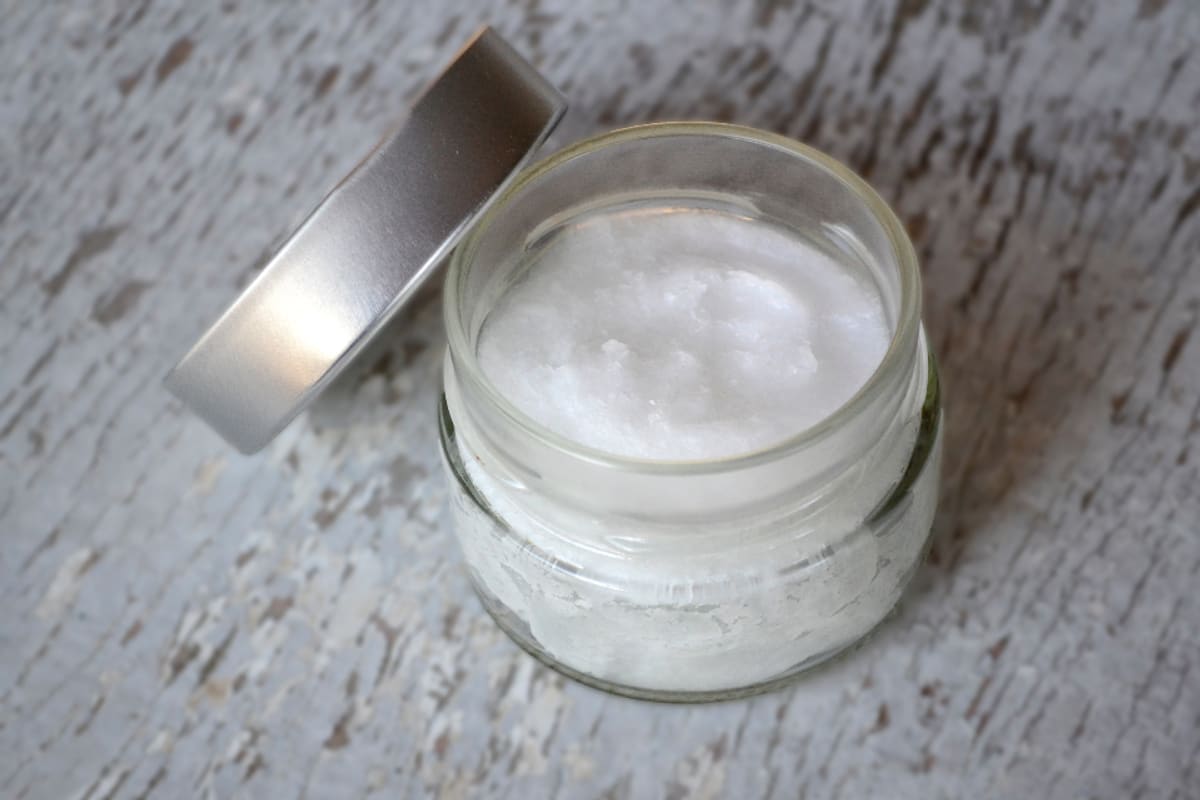
Oil Coconut. Photo: Dana Tentis via stocksnap, CC0.
For many of us, hair oiling is tied to childhood: sitting on the floor on a Sunday morning while a mother or grandmother massaged warm oil into the scalp and braided it tight. It is a lovely ritual and, done well, it does help hair. But over the years it has also gathered a lot of promises it cannot keep. Knowing the difference can save you money, time and sometimes a flare of scalp trouble.
This article is general information. Sudden or heavy hair fall, patchy bald spots or a painful, flaking scalp are reasons to see a dermatologist rather than switch oils.
What oiling genuinely does well
Think of oil mainly as a treatment for the hair strands, not a medicine for the roots.
- It softens and smooths. Oil coats the outer layer of the hair, which makes it feel softer, look shinier and tangle less.
- It reduces friction. Oiled hair rubs less against combs, towels and pillows, so there is less breakage, especially in long, dry or curly hair.
- It can protect during washing. Some oils, coconut oil in particular, are thought to soak partly into the hair shaft and may reduce the damage that repeated wetting and shampooing cause. Applying oil to the lengths an hour or so before washing is a sensible pre-wash habit for dry hair.
- It feels good. A gentle head massage is relaxing, and for many families it is a moment of care and closeness. That is a real benefit, even if it does not show up in the mirror.
Myth: oil stops hair fall
This is the biggest and most persistent claim. Hair fall usually has causes inside the body: genetics, hormonal changes, thyroid problems, low iron or other nutritional gaps, stress, crash dieting, recent illness with high fever, or the months after childbirth. Oil applied to the scalp cannot correct any of these.
What oil can do is reduce breakage, so fewer broken strands end up on the comb. That can look like less hair fall, but the roots are not being fixed. If you are losing noticeably more hair than usual for more than a couple of months, a doctor can check for treatable causes, often with simple blood tests.
Myth: oiling cures dandruff
Often the opposite is true. Common dandruff is linked to a yeast that lives naturally on the scalp and feeds on skin oils. For some people, piling oil onto a flaky scalp and leaving it on for long periods can make itching and flaking worse. If you have dandruff, try keeping oil on the lengths rather than the scalp, and use an anti-dandruff shampoo as directed. If it does not improve in a few weeks, a dermatologist can suggest stronger treatment.
Myth: more oil and longer is better
A few teaspoons are enough for most heads of hair. Heavy amounts only mean more shampoo to wash it out, and repeated harsh washing undoes the benefit. Leaving oil on for an hour or two before a wash works well for most people. Overnight oiling is fine if your scalp tolerates it, but if you notice itching, pimples along the hairline or a greasy, flaky scalp, shorten the time.
Also avoid stepping out into dust, sun and traffic with a heavily oiled scalp for hours. Oil attracts dirt and pollution, which then sit on the skin.
Myth: hot oil works better
Warm oil feels pleasant and spreads more easily, but very hot oil can burn the scalp. Warm it gently by placing the bottle or a small steel bowl in a pan of hot water, then test it on the inside of your wrist. It should feel comfortably warm, never hot.
Myth: vigorous massage makes hair grow
A gentle massage with the fingertips feels good and is harmless. Rubbing hard with the palms, pulling long hair into a tight bun afterwards or combing oiled wet hair roughly can actually break more strands. Be gentle, and loosen the braid if it pulls.
Myth: one special oil works for everyone
Coconut, mustard, sesame, almond and various blends are all used across India. Each has its fans, and texture matters more than miracle claims. Lighter oils suit fine hair that gets weighed down easily. Thicker oils may suit very dry, coarse or curly hair. Oils mixed with strong essential oils, onion extracts or other additives can irritate some scalps, so patch test anything new and stop if your scalp itches or burns.
How to oil well
- Start with dry or slightly damp hair and part it into sections.
- Use a small amount, focusing on the lengths and ends, which are the oldest and driest parts.
- If your scalp is not flaky or acne-prone, massage a little into the scalp with your fingertips for a few minutes.
- Leave it for an hour or two, or overnight if your scalp is comfortable with it.
- Wash with a mild shampoo; you may need to shampoo twice to remove heavier oils. Follow with conditioner on the lengths if you use one.
- Once or twice a week is plenty for most people.
Frequently asked questions
Should I oil my hair every day?
It is not necessary for most people, and daily oil on the scalp can trap sweat and dirt. Once or twice a week before washing is enough. A drop or two on dry ends between washes is fine.
Can oiling make my hair grow faster?
There is no reliable way to speed up how fast hair grows from the root by applying oil. Oiling can help you keep more of the length you grow by reducing breakage, which may make hair look longer over time.
Is it safe to oil a child's hair?
Gentle oiling is common and usually fine for children. Use a small amount, avoid very hot oil and wash it out well. If a child's scalp is red, itchy or scaly, ask a doctor before continuing.
Keep the ritual, drop the pressure
Oiling is worth keeping for what it really is: a way to soften hair, protect it during washing and enjoy a little self-care. Just do not expect it to solve problems that begin inside the body. For those, a proper diagnosis will help your hair far more than any bottle.