How to Choose Sunscreen: SPF, PA Ratings and Applying It Properly
SPF 50, PA++++, broad spectrum, gel or cream? A plain guide to reading a sunscreen label, picking one that suits Indian weather and your skin, and using enough of it to actually work.
Sunscreen. Photo: GEMS by Cherri via Flickr, CC BY 2.0.
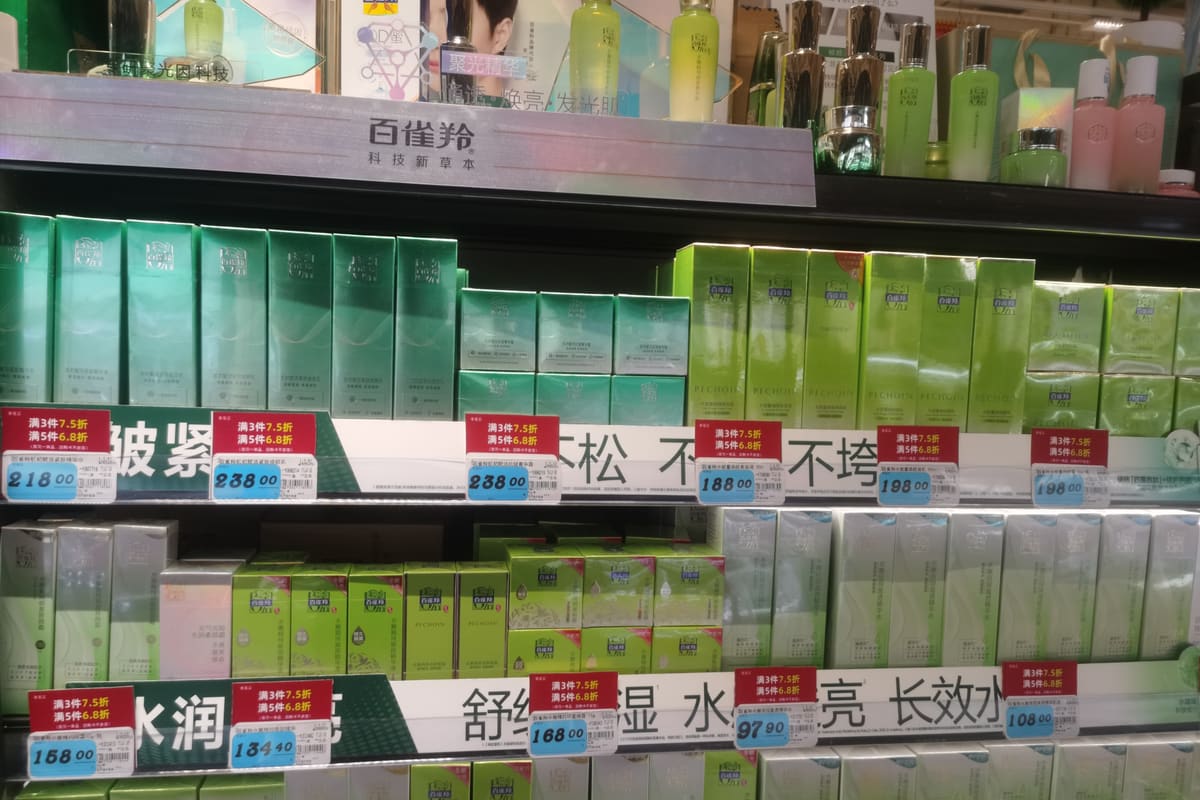
Walk into any chemist shop in May and the sunscreen shelf looks like an exam paper: SPF 30, SPF 50+, PA+++, PA++++, matte, dewy, mineral, hybrid, water resistant. Most people pick whichever tube a friend mentioned and hope for the best. The good news is that the label only has three or four things that really matter, and once you know them, choosing takes a minute.
What SPF actually tells you
SPF stands for sun protection factor. It measures protection against UVB rays, the ones mainly responsible for sunburn. The number is tested in a lab using a thick, even layer of product, so it describes the best case rather than what happens on a rushed Monday morning.
The jump in protection gets smaller as the number rises. SPF 30 already blocks the large majority of UVB, and SPF 50 blocks a little more. For daily use, SPF 30 or higher is a sensible minimum. If you spend long hours outdoors, have a history of pigmentation or burn easily, SPF 50 gives a slightly bigger safety margin. What matters far more than 30 versus 50 is using enough and reapplying.
What PA and "broad spectrum" mean
UVA rays go deeper into the skin. They contribute to tanning, dark spots and long-term ageing, and they pass through clouds and window glass. SPF does not measure UVA, so you need a second signal on the label.
- PA ratings, common on sunscreens sold in India and other Asian countries, grade UVA protection from PA+ to PA++++. More plus signs mean more UVA protection. PA+++ or PA++++ is a good target.
- "Broad spectrum" means the product has been tested for both UVB and UVA protection.
- If a sunscreen shows neither, you have no way of knowing how well it handles UVA, so it is worth choosing another.
For Indian skin, which tans and develops pigmentation readily, UVA protection deserves as much attention as the SPF number.
Mineral, chemical or hybrid
Sunscreen filters broadly come in two groups. Mineral filters, zinc oxide and titanium dioxide, sit on the skin and are often gentler for sensitive skin. Their drawback is a white or grey cast, which is especially visible on medium and deeper skin tones. Tinted mineral sunscreens reduce this.
Chemical, or organic, filters absorb UV and usually spread invisibly, which is why many people with darker skin prefer them. Some people find certain filters sting the eyes or cause irritation. Hybrid formulas use both. None of these types is "safer" or "better" in general; the best one is the one you are happy to wear every single day.
Picking a texture for your skin and weather
- Oily or acne-prone skin: gel, fluid or "matte" textures labelled non-comedogenic.
- Dry skin: cream or lotion textures that double as a light moisturiser.
- Sensitive skin: fragrance-free formulas, often mineral or hybrid.
- Heavy sweating, sport or swimming: a water-resistant sunscreen, remembering that water resistance lasts only for a stated time, usually 40 or 80 minutes.
Always patch test a new sunscreen on your inner arm or behind the ear for a couple of days before putting it on your whole face, especially if your skin reacts easily.
Using enough: the part most people get wrong
Most people apply a third to half of the amount used in testing, which means they get much less protection than the label suggests. A popular guide is the two-finger rule: squeeze a line of sunscreen along the full length of your index and middle fingers, and use that for the face and neck. If that feels like a lot, apply it in two thinner layers a minute apart.
- Apply it as the last step of your morning skincare, after moisturiser.
- Do not forget the ears, the sides and back of the neck, the hairline and the tops of the hands.
- Give it ten to fifteen minutes before stepping out, particularly with chemical filters.
- Mixing sunscreen into moisturiser or foundation dilutes it; apply it on its own.
- Make-up with SPF is a nice extra, but nobody wears enough foundation to rely on it.
Reapplying through the day
Sunscreen wears off with sweat, rubbing and time. If you are outdoors, reapply roughly every two hours, and straight after swimming or heavy sweating. If you are indoors away from windows most of the day, a morning application may be enough, with a top-up before you head out in the evening.
Reapplying over make-up is awkward, so many people use a sunscreen stick or a sunscreen powder for top-ups. These are convenient, but it is hard to apply a generous amount with them, so treat them as a supplement to a good morning layer, not a replacement.
Sunscreen is one layer of protection, not the only one
Between roughly late morning and mid-afternoon, the sun is at its strongest. Shade, an umbrella, a cap or wide-brimmed hat, sunglasses and loose full-sleeve cotton clothing all cut down exposure without any reapplying at all. On a summer afternoon in the plains, these do as much work as the bottle in your bag.
Frequently asked questions
Is SPF 50 twice as strong as SPF 25?
No. The scale is not linear. Higher SPF does block more UVB, but the difference between 30 and 50 is modest. Applying enough and reapplying matters much more than chasing a higher number.
Do people with dark skin need sunscreen?
Yes. Deeper skin has more natural protection against burning, but it still tans, develops dark spots and uneven patches, and suffers long-term sun damage. Sunscreen also helps stop existing pigmentation from getting darker.
Can I use last summer's sunscreen?
Check the expiry date and the small open-jar symbol, which shows how many months the product lasts after opening. If it has separated, changed colour or smells odd, or has been left in a hot car or bag for weeks, replace it.
Should I wear sunscreen on cloudy or rainy days?
Yes. Clouds block some UV but a good amount still gets through, and UVA passes through light cloud easily. Monsoon days can still cause tanning if you are out for long.
A simple rule for the shelf
Look for SPF 30 or more, PA+++ or broad spectrum, and a texture you will not hate. Use two finger-lengths, reapply when you are outside and back it up with shade and a hat. If you have a condition such as melasma or you are on medicines that make skin sun-sensitive, a dermatologist can suggest a sunscreen and routine suited to you.